All Fellows
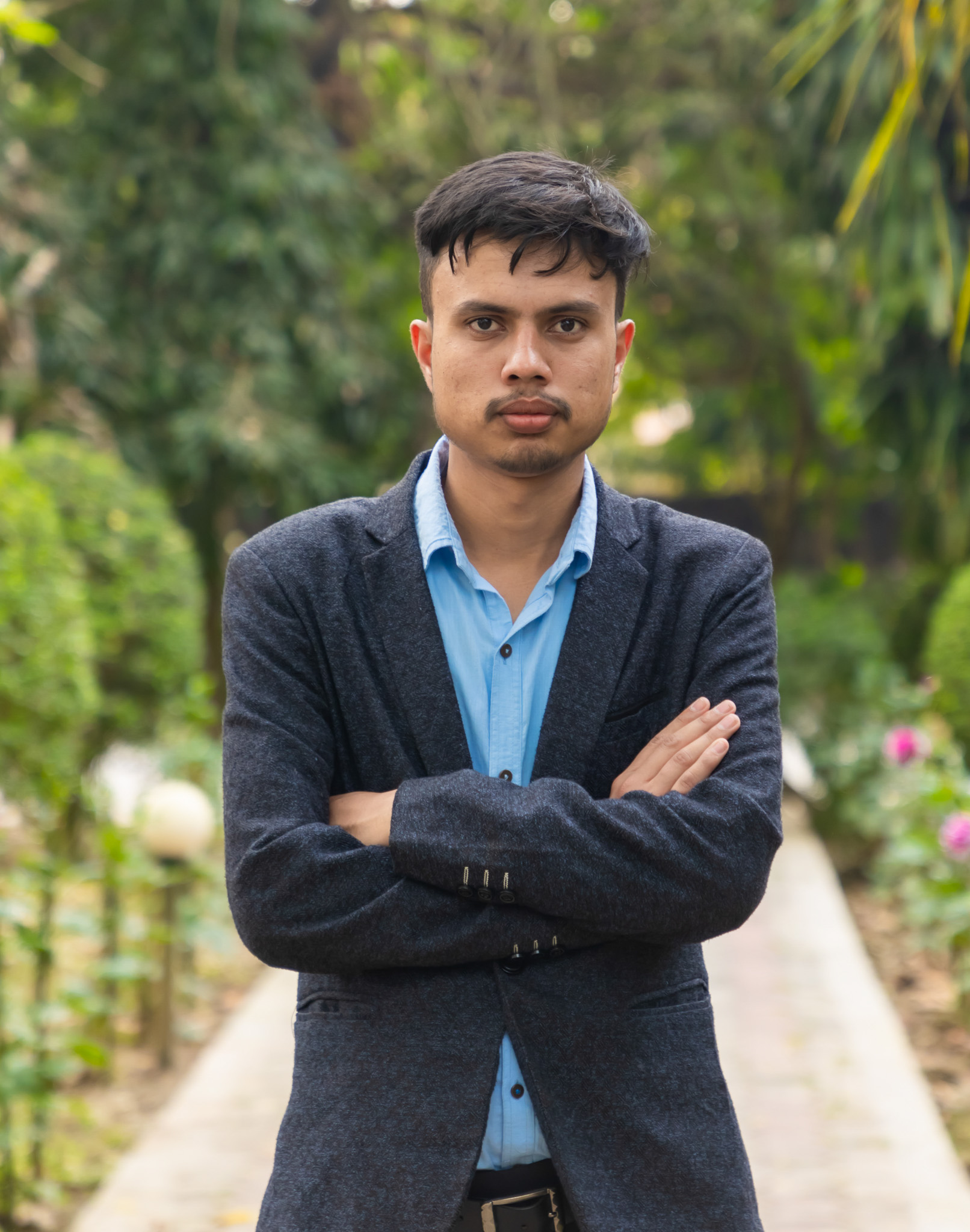
Abhash was born in Sulichaur, one of the biggest bazaars of Rolpa, but it was in Kathmandu's classrooms and football fields where he found his footing. A naturally curious and quietly determined young man, finishing SEE with a 3.65 GPA that even surprised himself. Abhash completed his Bachelor's in Computer Applications, driven by a simple but firm goal: to study at least until bachelor's in Nepal. What truly stayed with him, though, was the idea of becoming a teacher in his own village in Rolpa. His inspiration to become a teacher came from his mother, who herself was a teacher but had to drop her career to take care of the family. Abhash grew up in a school where harsh corporal punishment was the norm. He had both - the kind of teacher he wanted to be, like his mother, and the kind of teacher he didn't want to be. He applied for the Teach For Nepal Fellowship because he has always wanted to stand in front of students and teach, not just subjects, but possibilities. He sees the Fell…
My father is a farmer, and my mother is a homemaker. With my father having studied up to class 10 and my mother completing class 5, their formal education was limited. Yet their wisdom, encouragement, and work ethic have been the foundation of my self-development. They have always motivated me to study hard and strive for a better future. Through their sacrifices, resilience, and support, I learned the importance of staying focused on my goals. Their belief in me continues to be my greatest source of strength and inspiration. One of the most difficult challenges I faced was financial hardship. To support my education and cover personal expenses, I had to take on part-time work while managing my academic responsibilities. Balancing both was tough, but it taught me the value of hard work, time management, and self-discipline. It shaped me into someone more independent and capable of facing future challenges with confidence. Now, as part of the Teach For Nepal Fellowship, I’m continuin…
I want to be part of an organization that is driving change at the grassroots level. During my first interaction with Teach For Nepal, I gained a deeper understanding of the state of education in our country, the urgent need for dedicated individuals to work toward educational equity, and the potential I have to contribute to meaningful change. I want to make a lasting impact on students by equipping them with the knowledge, skills, and inspiration to shape their own futures. For many students in rural communities, higher education is not seen as a viable option—yet it opens doors to countless opportunities. This fellowship is a chance to contribute to a movement that is shaping the future of Nepal by empowering students and transforming education. I look forward to making a positive impact on students' lives and building strong relationships with them. Beyond teaching, I’m excited to develop my leadership, resilience, and problem-solving skills. This fellowship will push me out of …
Junu grew up in Sabru, a village in Khotang where families depended on agriculture, children walked over an hour to school, access to education, healthcare and transportation was limited. Junu is the first-generation female graduate of her family - she and her sister were the first women who had the opportunity to get formal higher education. When she came from a rural public school to study in Kathmandu, the disparity between urban and rural education systems deeply affected her. Growing up, her classmates could not pursue higher education, and went overseas to earn a living for their families. Later, while working in Sindhupalchowk, she saw the patterns and disparity yet again: the same inequities, the same gaps, the same children being left behind. Being a first-generation woman graduate in her family has shaped how she understands both privilege and responsibility. She comes from a context where children, especially girls, rarely have the chance to pursue higher education, so her …
Pramila grew up in Sindhupalchok, a district known for its mountain landscapes and the deep resilience of the people who live there. She was a disciplined and determined student at Janajagriti Secondary School, topping her class and later earning Samaanta scholarship to pursue higher education in Kathmandu. The shift from Nepali-medium to English-medium education was its own kind of challenge — one she met by practising, engaging, and pushing forward until the language stopped being a wall and became a tool. But alongside her academic path, she was building something else: years of leadership through Women Lead Nepal, council membership at Nepal Teen Leader, volunteering and fundraising for Samaanta Foundation. It was TFN teachers who were teaching her in her classroom in Sindhupalchowk who shaped her own education. Her TFN teachers showed her the transformative power of education, and that experience of being supported and believed in is precisely what draws her back — not as a b…
In a world where so many people are caught up in the same rat race, chasing goals that often aren’t their own, I’ve always felt a strong pull to do something different—something that aligns with a deeper sense of purpose. That’s what drew me to the Teach For Nepal Fellowship. While most of my peers pursued conventional paths, this opportunity stood out as meaningful, something I could fully embrace. Not for validation, but for the fulfillment it promises. Ironically, although I never imagined myself teaching—despite coming from a family of educators—I now find myself genuinely eager to embark on this journey, standing in a classroom and helping shape someone’s future. I see this Fellowship as more than just a teaching assignment; it’s a journey of healing, self-discovery, and connection. The idea of traveling to different parts of Nepal with purpose resonates deeply with me. Emotionally and mentally immersing myself in others’ stories, growing alongside them, and creating shared ex…
With 12 years of teaching experience, I have come to deeply value the power of education. I’ve always enjoyed both studying and teaching, and the classroom has been a space where I continuously learn from my students just as much as they learn from me. What truly motivates me is seeing students become curious and engaged in the learning process. Their appreciation, questions, and the way they interact with me make teaching a fulfilling experience. These interactions remind me of the importance of building strong teacher-student relationships rooted in respect and encouragement. I believe that every child deserves access to quality education, and I am committed to fostering inclusive, engaging learning environments. Teach For Nepal’s work—centering students from rural parts of the country with little to no resources and ensuring they receive a good education—is deeply meaningful to me. I am dedicated to creating an environment where students feel encouraged, inspired, and empowered to…
Sanjit grew up in Haripur, Sarlahi, and remembers school as a scary place. Not occasionally — consistently. Teachers could beat students at any time, for any reason, or for no reason at all: a multiplication table asked on a whim, a homework not completed, a mood that arrived in the classroom before the lesson did. Even as the class topper, Sanjit was not exempt from the fear. One teacher stood apart: his Nepali teacher, who simply did not punish, and yet the freedom that created made her one of his favourites. A science teacher got angry when Sanjit asked why gourds plant fruit before they flower, when most flowering plants do the opposite. The question was genuine, but his curiosity got suppressed. Sanjit has not forgotten either of those moments. He went on to complete a Bachelor's in Civil Engineering from Pulchowk. In Nepal, he observes, teaching is rarely anyone's first choice. Teachers themselves will tell you they did not plan to be there. And as long as a government job or a …
I applied to the Teach For Nepal Fellowship because its mission strongly aligns with the values and goals I hold close—namely, the United Nations Sustainable Development Goal 4 on quality education, the Government of Nepal’s aim to improve public education, and TFN’s commitment to ensuring educational equity for all children. These aren’t just policy goals to me; they represent a vision of justice and opportunity. I believe that every child, regardless of their background, deserves access to meaningful learning experiences. Teach For Nepal’s grassroots approach inspired me because it focuses on long-term change by empowering both students and teachers at the community level. I want to contribute to this vision by staying in Nepal and directly engaging with the realities of our education system. I believe it’s essential to first understand the challenges and strengths within local schools before working toward solutions. Through the fellowship, I hope to immerse myself in this context…
From a young age, I was aware of the bias between boys and girls, and I often found myself speaking out against it. That early sense of justice stayed with me and shaped my belief in equal opportunities for all children, regardless of their background or gender. 'It is not worth it to give education to girls' is something I grew up hearing, and it motivates me to strive for excellence in my life. Over the years, I’ve realized that I want to dedicate my life to working with children and women, supporting their growth, empowerment, and access to quality education. Teach For Nepal’s mission aligns perfectly with my values. I see the fellowship as a platform where my passion, voice, and efforts can contribute to real change. I want to be a teacher who inspires, a mentor who empowers, and a leader who uplifts communities.