All Fellows

Growing up in the lush green village of Bardiya in Western Nepal, I was surrounded by mango trees and the sounds of nature. My parents instilled in me the value of education and encouraged me to pursue my interests, including music, sports, and cooking. I even completed my Grade 3 exam in music from The Royal School of Music, London. But as I got older, I became increasingly aware of the educational disparities that exist in Nepal. During an internship with a teaching organization, I witnessed firsthand the lack of opportunities and resources available to many students. It was disheartening to see teachers who didn't care about their students or their education. I knew I had to do something to make a difference. That's why I applied to be a TFN Fellow. I want to use my skills and knowledge to empower students and help them achieve their goals. I believe that every child deserves access to a quality education, regardless of their background or circumstances. And TFN's vision and …

As soon as I walked into my first meeting with Teach For Nepal (TFN), I was struck by how welcoming and patient every staff member was with my endless questions. Even though I didn't know much about TFN at the time, their core values, dedicated team, and unwavering mission to create change inspired me to join the movement. I believe that the next two years with TFN will not only help me grow, but also allow me to contribute towards creating a better future for the children of Nepal. TFN's focus on creating change at the grassroots level is what truly sets it apart. By working to improve the education of students, TFN is creating future leaders who will go on to make a positive impact in a variety of fields. I am excited to play my part in this mission by helping to improve the academic levels of students and introducing them to basic life skills and moral values through extra-curricular and co-curricular activities. As a Fellow, I want to make a difference in every way possible.…
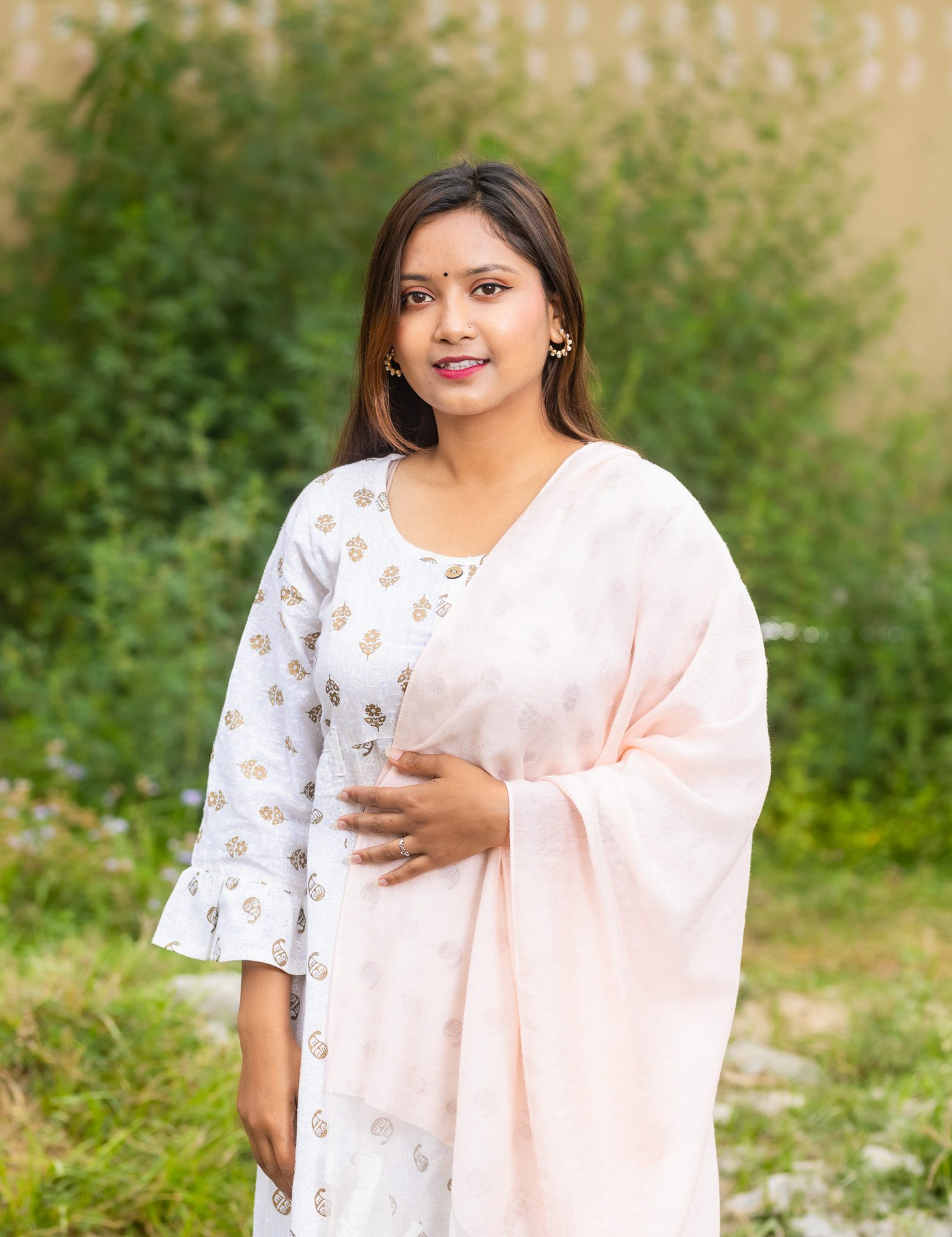
As an individual who takes great pleasure in the simpler things in life, I relish moments spent in solitude, indulging in the pursuit of literary wisdom, or engaging in invigorating hikes with my siblings. Growing up among brothers and sharing their penchant for mischief, my family regarded me as one of their own, an equal in every way. My academic prowess and flair for extra-curricular activities did not go unnoticed by my mentors, who nurtured my development and encouraged me to thrive. However, I also experienced setbacks during my undergraduate studies, failing to achieve the grades I had hoped for. Despite the initial discouragement, I chose to view the experience as an opportunity for growth and self-improvement, embracing challenges as a vital part of life's journey. The period during which I pursued my undergraduate degree was the most transformative of my life. It was a time of self-discovery and reflection, as I learned to accept and celebrate my true self. My school p…
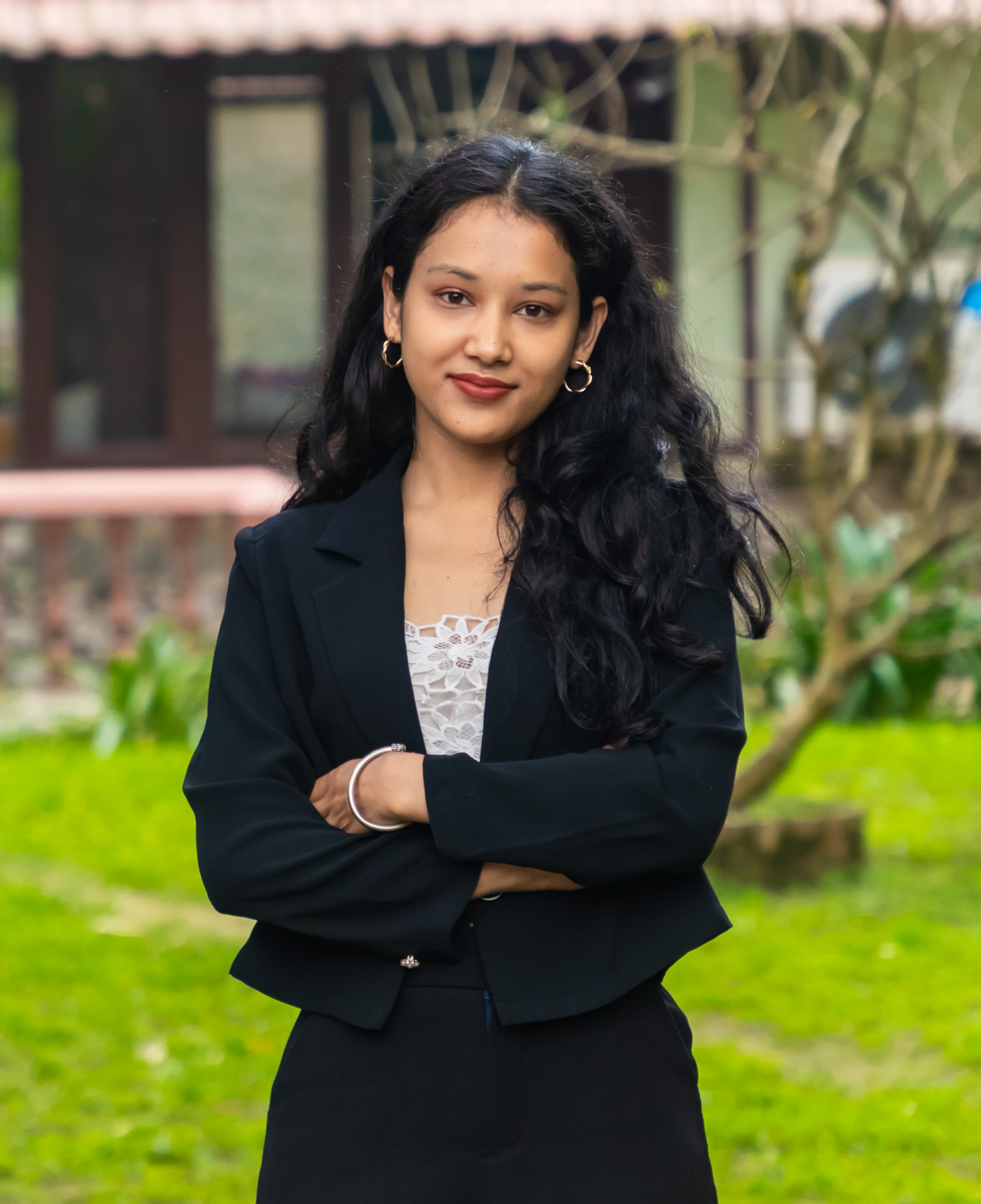
I was born in Okhaldhunga, but my family moved to Kathmandu when I was only two. Growing up, I was a pampered and loud child at home, but the second I stepped foot in my school, I would transition into an introvert. I had trouble making friends and struggled to fit in, but I never let it get me down. For the longest time, I dreamed of becoming a pilot. My life has been a pretty sweet ride so far, and I know I have been privileged to have had the opportunities that I've had. But it's also shown me how hard some others have it, and because of this, I've learned how to be a more empathetic person. I've always been interested in social issues and how I can make a difference, and that's what led me to Teach For Nepal (TFN). I was called to attend one of the TFN info sessions after I registered for the Fellowship. I wasn't sure what to expect, but as soon as I sat in the room with a few other attendees from diverse backgrounds, I knew I was in the right place. Hearing their stories an…
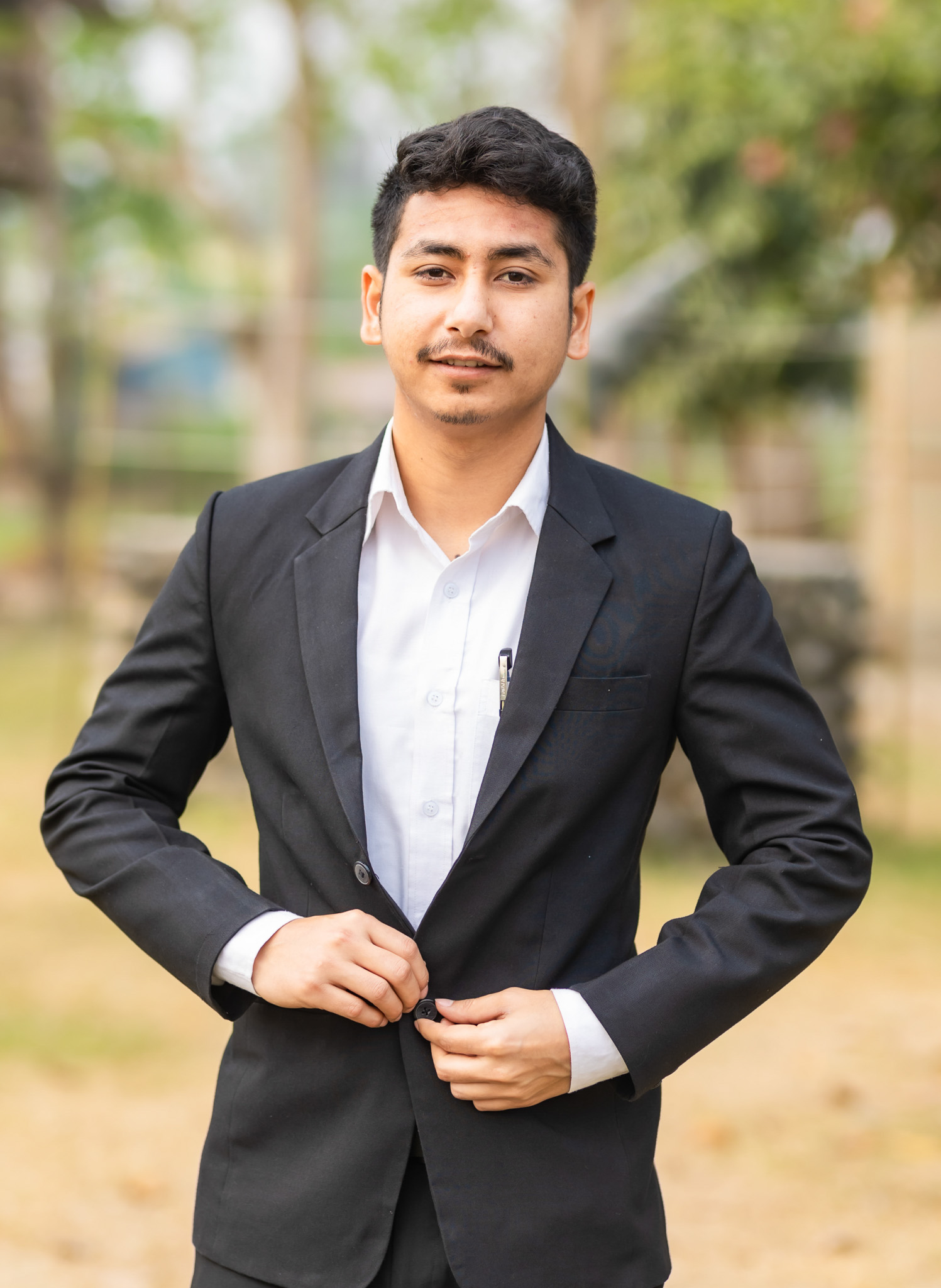
My grandfather was a true visionary, even though he never received a formal education. He understood the value of learning and encouraged my father and uncle to pursue their studies. Thanks to their hard work, my brother and I had the privilege of receiving a good education and growing up in a comfortable lifestyle. Our family business now thrives in Mahendranagar, Kanchanpur, where we spent our childhood days playing hide and seek in the fields, irrigating plants, and eagerly waiting for our father to come home with a ChocoFun bar. As a child, the thought of becoming a teacher never crossed my mind. But life has a funny way of surprising us, and now I find myself drawn to the Teach for Nepal movement. The name alone captured my attention from the start, and I feel like I've stumbled upon my life's purpose. I want to make a difference in the lives of my students and their communities and bring a smile to their faces. My own education has transformed me in so many ways. It's taug…
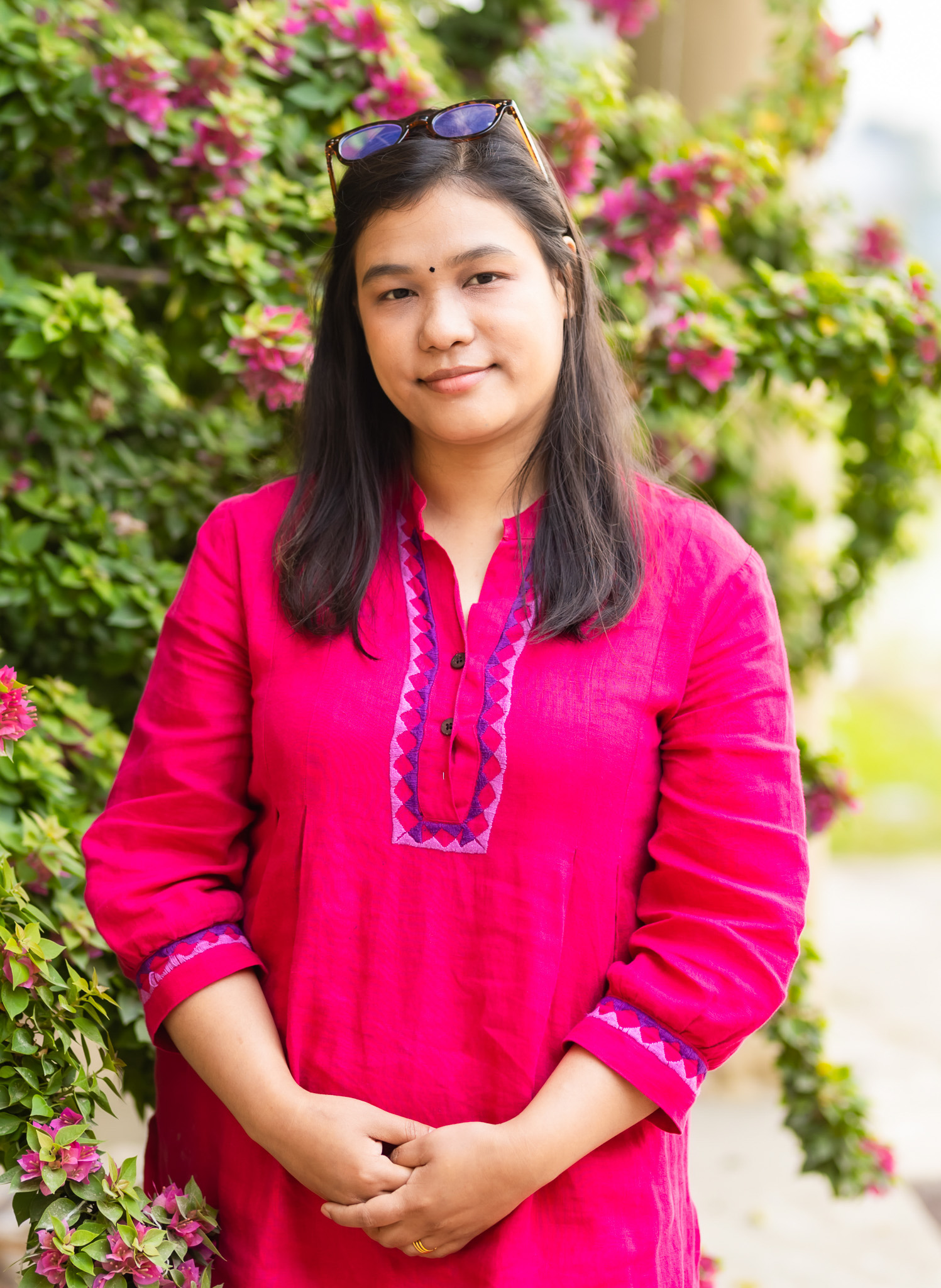
As a child, I had big dreams of becoming an actor, and I used to practice dramatic monologues in front of the mirror. I remember one time, I was rehearsing a heart-breaking scene when my father walked in on me bawling my eyes out. I quickly lied and told him that I hurt myself, but deep down, I knew that acting was my true passion. However, as an introvert, I struggled to express myself outside the four walls of my room. It wasn't until I moved to a new school in fifth grade that I started to adapt and come out of my shell. While my new school had excellent infrastructure, I realized that education is more than just facilities; it's about how knowledge is distributed. I've always felt that students should be trusted to fly on their own and soar high. That's why I was drawn to the Teach For Nepal Fellowship program. Over the next two years, I see this as a worthwhile challenge that will help me become the confident and capable leader I've always wanted to be. I believe that my as…

I’m thrilled to say that I have the opportunity to live out my lifelong dream of becoming a teacher through the Teach For Nepal Fellowship. Even as a child, I would eagerly line up anyone willing to listen to my makeshift classroom lessons, brandishing a stick to make the experience as authentic as possible. That same passion for teaching still burns bright in me today. Growing up, I wasn’t always the most well-behaved student, but I quickly realized the value of education. I became the first in my family to earn a master’s degree and I credit my education for giving me the ability to think critically and discern right from wrong. What really drew me to the Teach For Nepal Fellowship was the chance to immerse myself in different communities and work alongside them to improve education. I’m excited to explore the dynamics of various communities and to learn about the different ways people live. As a Fellow, I want to inspire and encourage my students to dream big and pursue the…

I have always believed that where there is a will, there is a way. This motto has been the driving force behind my unwavering desire to study and excel academically. My father's education and my mother's hard work in rural occupations ensured that I received a proper education. I grew up in Besi, where my family relocated when I was five, and I was enchanted by the hilly terrains and the abundant natural resources that surrounded me. My family's work as agriculturists and livestock farmers instilled in me a deep appreciation for country life. During my college years, I studied environmental science, and I am proud to give back to my local community by assessing the safety of their drinking water. I am passionate about science and social studies subjects, which led me to take a science class in intermediate school. This decision was strongly suggested by one of my teachers, and it has been the driving force behind my journey to become a Teach for Nepal Fellow today. I enrolled i…

As someone who has faced many challenges in life, I know that it's not always easy to persevere. But I also believe that it's up to us to make the most of what we've been given. Growing up, my father struggled with health complications, and as the eldest child, I had to take on more responsibility to support my family. On top of that, I also battled depression. However, I was fortunate enough to receive an excellent education from private institutions, and I am proud to be the first person in my family to complete my SLC, +2, and receive a bachelor's degree. Recently, I visited the Tamang settlements of Semjong and Sertung in Dhading, and what I saw in their schools broke my heart. It was clear that despite my own challenges, I was still incredibly privileged compared to these children. Witnessing the inequality in education access and resources was a turning point for me, and I knew I had to take action. I believe that every child deserves a quality education, one that will equ…

I was born in Nijgadh and I’m told that I was a carefree and mischievous child. My parents had the chance to get an education but couldn’t complete their SLC. Despite this, they ensured that my siblings and I received a quality education. My sister holds a master’s degree and my brother is completing his bachelor’s. I chose the management stream during high school as I have a keen interest in economics and also have a bachelor’s degree from Tribhuvan University in Business Studies. Growing up, I wanted to become an Army officer. I used to think that it was the coolest and most respectable job in the world. I still do. But, teaching has its own charm too. It has the power to change lives and change circumstances and situations for many. I wasn’t academically very gifted but was quite an energetic child and would always extend my support to community service. The education I received and the positive impact my teachers had on me has made me the person I am today. TFN’s vision of e…